When it comes to selecting materials for high-demand applications, the right choice is crucial. Inconel 625 pipes not only offer unparalleled strength but also exhibit outstanding resistance to harsh conditions. Let’s delve into the key insights you can glean from understanding this versatile alloy.
Inconel 625 pipe suppliers China - What You Will Learn
- Inconel 625's high nickel content provides exceptional corrosion resistance, particularly in pitting and crevice corrosion scenarios.
- Its high-temperature strength makes it suitable for applications that experience extreme heat, maintaining performance up to 2000°F (1093°C).
- The alloy's weldability simplifies fabrication processes, making it a preferred choice for manufacturers.
- Key industries including aerospace, oil & gas, and marine heavily rely on Inconel 625 for its durability and reliability in harsh environments.
Key Comparisons for Inconel 625 Sourcing
When sourcing Inconel 625 pipes, understanding the differences between supplier regions and the properties each material offers is crucial for making informed decisions.
Indian vs. European Suppliers: Key Factors
- ✓
Quality Standards: European (stringent certs), Indian (advancements).
- ✓
Pricing: Indian (more competitive), European (higher).
- ✓
Delivery Times: European (shorter for EU), Indian (longer Intl.).
Inconel 625 Properties: Why They Matter
- ✓
Temp. Resistance: Up to 2000°F (1093°C).
- ✓
Fatigue Strength: Resistant to cyclic loading.
- ✓
Oxidation Resistance: Effective in high-temp. scenarios.
Key Industries Utilizing Inconel 625 Pipes
- ✓
Aerospace: Engine components, exhaust systems.
- ✓
Oil & Gas: Downhole tubing, pipelines, valves.
- ✓
Marine: Seawater applications, shipbuilding.
Inventory Management Practices
- ✓
Real-Time Tracking: Immediate stock updates.
- ✓
Automated Reordering: Prevents shortages.
- ✓
Clear Communication: Timely updates on inventory.
Understanding Inconel 625 Pipes and Their Applications
When diving into the world of industrial materials, Inconel 625 pipes stand out as a robust choice for a variety of demanding applications. This nickel-chromium alloy is renowned for its exceptional strength and oxidation resistance, making it ideal for environments that experience high temperatures and corrosive conditions. Having spent over a decade in the steel manufacturing industry, I can confidently say that understanding the properties and applications of Inconel 625 is essential for making informed sourcing decisions.
What makes Inconel 625 particularly compelling? Its versatility allows it to shine in multiple sectors, including aerospace, oil and gas, and marine applications. By choosing Inconel 625, you’re not just selecting a material; you’re opting for longevity and reliability. Here’s why Inconel 625 is a preferred choice:
- Corrosion Resistance: With its high nickel content, Inconel 625 resists pitting and crevice corrosion.
- High-Temperature Strength: It maintains strength and toughness even in extreme conditions.
- Weldability: The alloy’s properties allow for easy fabrication and welding, which is a significant advantage in manufacturing.
What Makes Inconel 625 a Preferred Choice?
Inconel 625’s unique composition provides a combination of high strength and resistance to oxidation and corrosion. This is especially important in industries that operate under severe conditions. Each of these properties contributes to the alloy’s overall performance, making it a go-to material for critical applications.
Moreover, the alloy's ability to withstand high pressures and temperatures means that it can reliably perform in situations that would compromise other materials. In my experience at Steel Pipe Insights, I frequently encounter buyers looking for solutions that promise durability; Inconel 625 checks all the boxes!
Key Industries Utilizing Inconel 625 Pipes
Across various sectors, Inconel 625 pipes are instrumental in achieving operational success. Here are some key industries utilizing this remarkable alloy:
- Aerospace: Components that require lightweight yet strong materials.
- Oil & Gas: Pipeline systems that encounter extreme conditions.
- Marine: Equipment exposed to seawater environments.
- Chemical Processing: Systems that must resist aggressive chemicals.
These industries rely on Inconel 625 for its ability to withstand the test of time and harsh conditions. As I’ve observed in my years of sourcing and production evaluation, selecting the right material is crucial for maintaining operational integrity.
Inconel 625 Properties: Why They Matter
The properties of Inconel 625, including its high tensile strength and excellent fatigue resistance, make it indispensable in demanding environments. Understanding these characteristics helps buyers make informed decisions about their sourcing needs. Key properties include:
- Temperature Resistance: Suitable for applications up to 2000°F (1093°C).
- Fatigue Strength: Resistant to cyclic loading, ensuring reliability.
- Oxidation Resistance: Effective in high-temperature oxidation scenarios.
These properties are not just technical specifications; they translate directly into performance and reliability in real-world applications. As someone who values transparency in the sourcing process, I encourage buyers to consider these factors deeply.
Common Applications in Aerospace, Oil & Gas, and Marine Sectors
Inconel 625 finds its place in a variety of applications across key industries. Here’s a closer look at how it's applied:
- Aerospace: Engine components, exhaust systems, and combustion chambers.
- Oil & Gas: Downhole tubing, pipelines, and valves.
- Marine: Sea water applications, shipbuilding components, and exhaust systems.
This versatility highlights Inconel 625's importance in critical sectors, where failure is not an option. It’s fascinating to see how a single material can serve multiple purposes while ensuring safety and efficiency.
Exploring High-Temperature and Corrosion-Resistant Alloy Applications
As we delve deeper into the applications of Inconel 625, its resistance to extreme temperatures and corrosive environments truly sets it apart. This is especially vital in industries like aerospace and oil & gas, where components face harsh conditions regularly.
For instance, Inconel 625 is often used in turbine engines where high temperatures can reach well over 1000°F (537°C). The alloy’s ability to maintain structural integrity in such conditions is invaluable. Additionally, its corrosion resistance ensures longevity, reducing the need for frequent replacements. In my conversations with industry professionals, this quality is often highlighted as a game-changer.
Whether you're looking to source materials for a new project or evaluating existing supply chains, recognizing the benefits of Inconel 625 is crucial. It’s more than just a pipe; it’s an investment in quality and performance.
Pro Tip
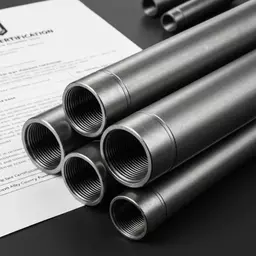
When sourcing Inconel 625 pipes, always request material certifications and test reports. This ensures that the pipes meet the required specifications and standards for your specific application, avoiding costly mistakes and ensuring reliability in demanding environments.
Evaluating Suppliers: Making the Right Choice
When it comes to sourcing Inconel 625 pipes, selecting the right supplier can significantly impact your project's success. With a variety of options available, understanding the strengths and weaknesses of each supplier type is crucial. In this section, I’ll share insights on evaluating Indian versus European suppliers, considerations for lead times, and effective inventory management practices.
Side-by-Side Comparison: Indian vs. European Suppliers
Both Indian and European suppliers have their unique advantages. As I’ve observed in my time in the industry, suppliers from these regions can differ in quality, pricing, and service. Here’s a quick comparison of key factors:
- Quality Standards: European suppliers often adhere to stringent quality certifications, while many Indian suppliers have made significant advancements in quality control.
- Pricing: Indian suppliers generally offer more competitive pricing due to lower labor and manufacturing costs.
- Delivery Times: European suppliers tend to have shorter lead times for deliveries within Europe, while Indian suppliers may require longer shipping times, especially for international orders.
- Technological Advancements: European manufacturers typically leverage the latest technologies, ensuring superior product consistency.
Understanding these differences can help you determine which type of supplier aligns best with your project’s needs and budget.
Understanding Lead Times and Delivery Options
Lead times can vary drastically based on supplier location and operational efficiency. When evaluating suppliers, it’s important to ask about:
- Production Capacity: How many orders can they fulfill simultaneously?
- Shipping Options: Do they offer expedited shipping, and what are the costs associated with that?
- Custom Orders: How do they handle bespoke requirements, and what is the additional lead time?
By assessing these factors, you can better anticipate how supplier efficiency will affect your project timeline.
Inventory Management Practices of Top Suppliers
Effective inventory management is a hallmark of reliable suppliers. I’ve seen firsthand how top suppliers implement robust practices to ensure they meet customer demands. Here are some practices to look for:
- Real-Time Inventory Tracking: Suppliers should have systems in place that allow for immediate updates on stock levels.
- Automated Reordering: A good supplier will automate restocking processes to prevent shortages.
- Clear Communication: They should provide timely updates on inventory status and expected delivery dates.
By partnering with suppliers who excel in these areas, you increase the likelihood of seamless operations and reduce the risk of project delays.
Frequently Asked Questions about Inconel 625 Pipes
- What is Inconel 625?
- Inconel 625 is a nickel-chromium alloy known for its exceptional strength, oxidation resistance, and corrosion resistance, particularly in high-temperature and harsh conditions.
- What are the primary benefits of using Inconel 625 pipes?
- Its main benefits include superior corrosion resistance (especially against pitting and crevice corrosion), high-temperature strength (up to 2000°F or 1093°C), and good weldability, which simplifies fabrication.
- In which industries are Inconel 625 pipes commonly used?
- Inconel 625 pipes are widely used in aerospace (engine components), oil & gas (pipelines, downhole tubing), marine (seawater applications), and chemical processing industries due to their durability in extreme environments.
- How do Indian and European suppliers of Inconel 625 differ?
- European suppliers often offer stringent quality certifications and shorter lead times for European deliveries, while Indian suppliers generally provide more competitive pricing, though with potentially longer international shipping times.
- Why is proper inventory management important when sourcing Inconel 625 pipes?
- Effective inventory management by suppliers (e.g., real-time tracking, automated reordering, clear communication) is crucial to prevent shortages, ensure timely deliveries, and maintain project schedules, thereby reducing overall risk.
Alloy 20 Pipe for Reliable Performance in Corrosive Industrial Environments
Alloy 20 pipe is valued for its ability to combine strong corrosion resistance with consistent mechanical performance in harsh industrial conditions. Developed specifically to combat sulfuric acid corrosion, it also resists chlorides, phosphoric acid, and nitric acid, making it highly versatile across chemical and process industries. The alloy’s austenitic structure ensures toughness and stability over a wide temperature range, while its excellent weldability allows for efficient installation and maintenance. As a result, Alloy 20 pipe is frequently used in reactors, storage systems, process piping, and acid transport lines where material failure is not an option and long-term reliability is essential.
Recap of Key Points
- Corrosion Resistance: Inconel 625’s high nickel content provides excellent resistance to pitting and crevice corrosion.
- High-Temperature Strength: The alloy maintains its strength and toughness in extreme temperature conditions, suitable for applications up to 2000°F (1093°C).
- Weldability: Inconel 625 is easy to fabricate and weld, making it advantageous for manufacturing processes.
- Key Industries: Widely used in aerospace, oil & gas, marine, and chemical processing sectors due to its durability and reliability.
- Supplier Evaluation: When sourcing, consider quality standards, pricing, delivery times, and inventory management practices to ensure the best supplier choice.