Have you ever wondered how advanced technology is reshaping traditional industries? In steel pipe manufacturing, AI-driven quality control is not just a buzzword; it's a game changer that enhances precision and minimizes errors.
What You Will Learn
- Automated quality control systems utilize technology to monitor product quality throughout the manufacturing process.
- Key AI technologies, such as machine learning and computer vision, significantly improve defect detection and operational efficiency.
- Integrating AI with legacy systems requires thorough assessment and incremental upgrades for smooth transitions.
- Effective data management practices are essential for successful AI implementation in manufacturing environments.
- Change management strategies help address employee concerns and foster a culture of innovation during technology adoption.
AI in Steel Pipe Manufacturing: A Process Flow and Challenge Overview
This visual outlines the AI-driven quality control process and the key challenges in its implementation within steel pipe manufacturing.
AI-Driven Quality Control Process Flow
1. Data Collection
Sensors gather data from production stages.
2. Analysis
AI algorithms identify anomalies & patterns.
3. Feedback Loop
Immediate feedback for corrective action.
Key AI Technologies
Machine Learning
Learns from past data, improves predictions.
Computer Vision
Inspects products for surface defects.
Predictive Analytics
Anticipates potential quality issues.
Implementation Challenges
Legacy System Integration
Connecting AI with outdated systems.
Data Requirements & Barriers
Ensuring high-quality data for AI.
Change Management
Engaging staff, continuous training.
Understanding AI-Driven Quality Control in Steel Pipe Manufacturing
In today's competitive landscape, AI-driven quality control is revolutionizing steel pipe manufacturing. This technology not only enhances the precision of production but also helps manufacturers like us at Steel Pipe Insights provide the best quality products to our clients. By leveraging advanced AI solutions, we can ensure every steel pipe meets the highest standards.
Quality control is no longer just about human inspections; it involves sophisticated systems that continuously monitor the manufacturing process. Understanding how automated quality control works can give sourcing agents, importers, and decision-makers the confidence they need in their sourcing decisions. For more detailed insights into how AI is being optimized in seamless steel pipe manufacturing, you can refer to this research on seamless steel optimization.
What is Automated Quality Control and How Does It Work?
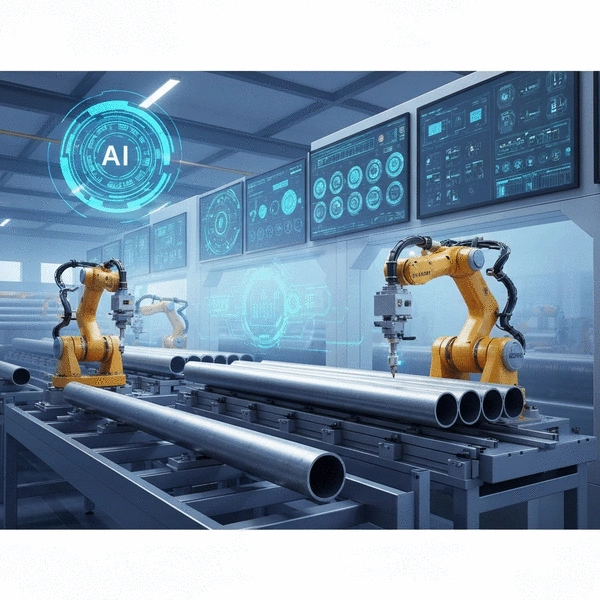
Automated quality control refers to the use of technology to monitor and regulate the quality of products throughout the manufacturing process. Essentially, it incorporates a range of tools and systems designed to detect any defects or irregularities in real-time. Here’s how it works:
- Data Collection: Sensors gather data from various stages of production.
- Analysis: AI algorithms analyze this data to identify anomalies or patterns.
- Feedback Loop: If any irregularities are detected, the system provides immediate feedback to operators for corrective action.
This technology not only speeds up the inspection process but also minimizes the risks associated with human error, ensuring that only high-quality steel pipes reach our customers.
Key AI Technologies Transforming Quality Control Processes
Several key AI technologies are at the forefront of transforming quality control in steel pipe manufacturing. By staying informed about these advancements, we can make better sourcing decisions and partner with the right suppliers. Here are some of the most impactful technologies:
- Machine Learning: Enables systems to learn from past data and improve over time.
- Computer Vision: Uses cameras to inspect products for surface defects and inconsistencies.
- Predictive Analytics: Anticipates potential quality issues before they arise, allowing for proactive measures.
These technologies not only enhance the quality of steel pipes but also streamline operations, ultimately benefiting both manufacturers and buyers. For further reading on the broader impact of AI in various industrial quality control applications, you may find this article on AI in industrial quality control helpful.
The Role of Machine Learning in Enhancing Quality Assurance
Machine learning plays a pivotal role in enhancing quality assurance by analyzing vast amounts of data generated during the manufacturing process. As someone passionate about transparency and informed decision-making, I believe understanding this technology is essential. Here's how machine learning contributes to our industry:
- Pattern Recognition: It identifies patterns in data that humans might overlook, leading to earlier detection of potential defects.
- Continuous Improvement: The algorithms evolve, providing increasingly accurate predictions about product quality.
- Integrated Systems: Machine learning can be integrated with existing quality control systems, enhancing their effectiveness without requiring a complete overhaul.
By leveraging machine learning, steel pipe manufacturers can significantly improve their quality assurance processes, ensuring that we remain competitive in the global market. The application of machine learning in this sector is also explored in detail within academic papers on industrial applications of AI.
We Want to Hear From You!
As we continue to explore the transformative impact of AI in steel pipe manufacturing, we want to know your thoughts. What do you believe is the most significant benefit of implementing AI-driven quality control in manufacturing?
Frequently Asked Questions about AI in Steel Pipe Manufacturing
- What is AI-driven quality control in steel pipe manufacturing?
- AI-driven quality control uses artificial intelligence technologies, such as machine learning and computer vision, to monitor, analyze, and regulate the quality of steel pipes throughout the manufacturing process, enhancing precision and minimizing errors.
- How does automated quality control work?
- Automated quality control involves three main steps: data collection from sensors, AI algorithms analyzing this data to identify anomalies, and a feedback loop that provides immediate corrective action to operators when irregularities are detected.
- What key AI technologies are used in quality control for steel pipes?
- Key AI technologies include Machine Learning for learning from past data and improving predictions, Computer Vision for inspecting products for surface defects, and Predictive Analytics for anticipating potential quality issues proactively.
- What are the main challenges in implementing AI for quality control?
- Major challenges include integrating new AI technologies with existing legacy systems, ensuring high-quality data collection and management, and managing the change process to address employee concerns and foster adoption.
- How can manufacturers overcome legacy system integration issues?
- Manufacturers can overcome these issues by conducting thorough assessments of existing systems, implementing incremental upgrades, and investing in comprehensive training and support for staff to ensure a smooth transition.
Overcoming Challenges in AI Implementation for Steel Pipe Manufacturing
Implementing AI-driven quality control solutions in steel pipe manufacturing can be transformative, but it also comes with its own set of challenges. From integrating with existing systems to managing data effectively, these hurdles require careful consideration. As someone who has navigated this industry for over a decade, I’ve witnessed firsthand the impact of these challenges—and the strategies that can help overcome them.
One of the primary obstacles is the need to integrate AI technologies with legacy systems that may be outdated or not designed for modern data flows. This integration is crucial, as it ensures seamless communication between systems, which can significantly enhance production quality and efficiency. However, it often requires significant investment in both time and resources to achieve.
Addressing Legacy System Integration Issues
Legacy systems can present a major barrier to adopting AI technologies in steel manufacturing. Here are some strategies to tackle these integration issues:
- Conduct a Thorough Assessment: Evaluate existing systems for compatibility with new technologies.
- Incremental Upgrades: Consider updating components gradually rather than overhauling entire systems.
- Training and Support: Invest in training for staff to navigate new technologies effectively.
By focusing on these areas, businesses can smooth the transition into AI technologies and maximize their potential benefits.
Data Requirements and Implementation Barriers
Another significant challenge is meeting the data requirements for AI systems. High-quality data is essential for AI to function effectively, and many manufacturers struggle with data collection and management. Here’s how to address these barriers:
- Establish Clear Data Governance: Define standards for data quality, collection, and analysis to ensure consistency.
- Invest in Data Infrastructure: Upgrade your IT systems to support high-volume data processing.
- Utilize Cloud Solutions: Consider cloud-based platforms for scalable data storage and analytics.
By enhancing data management practices, you’ll set a solid foundation for successful AI implementation.
Managing Risk through Effective Change Management Strategies
Managing change is crucial when implementing new technologies. Many employees may feel apprehensive about AI and its implications for their roles. Here are some effective change management strategies to consider:
- Engage Stakeholders Early: Involve team members in discussions about AI integration to address concerns and gather input.
- Communicate Benefits Clearly: Highlight how AI can improve workflows and product quality, making it clear that the goal is to enhance—not replace—human roles.
- Provide Continuous Training: Offer ongoing education to equip staff with the skills needed to work alongside AI systems.
By fostering a supportive environment, you can help ease the transition and encourage a culture of innovation within your manufacturing facility.
Recap of Key Points
Here is a quick recap of the important points discussed in the article:
- AI-driven quality control enhances precision in steel pipe manufacturing, ensuring high-quality products.
- Automated quality control involves data collection, analysis, and feedback loops to detect defects in real-time.
- Key AI technologies like Machine Learning, Computer Vision, and Predictive Analytics are transforming quality control processes.
- Addressing challenges such as legacy system integration and data management is crucial for successful AI implementation.
- Effective change management strategies can ease the transition to AI technologies and foster a culture of innovation.