In an industry driven by sustainability, the steel pipe manufacturing sector is undergoing a profound transformation. As a sourcing agent or decision-maker, understanding these changes can empower you to make informed choices that benefit both the environment and your business.
What You Will Learn
- The circular economy principles are reshaping steel pipe production, emphasizing recycling and waste reduction.
- Low-carbon methods and renewable energy sources are essential for sustainable steel production, significantly lowering greenhouse gas emissions.
- Steel's high recyclability contributes to significant energy savings and resource conservation, making it an environmentally friendly choice.
- Despite the challenges in transitioning to sustainable practices, innovative solutions are emerging, providing opportunities for growth and leadership in the market.
Key Aspects of Sustainable Steel Production
This visual highlights the core principles and benefits driving sustainable practices in the steel pipe industry.
Circular Economy in Steel Manufacturing
- Recycling & Reusing materials
- Waste Minimization in production
- Product Life Extension through durability
What Makes Steel Production Sustainable?
- Adoption of low-carbon methods
- Usage of renewable energy sources
- High recyclability (indefinitely)
Recyclability of Steel: Key Benefits
- Energy Savings: ~74% vs. new steel
- Resource Conservation
- Meets growing market demand
Challenges in Sustainable Steel Transition
- High Initial Investment
- Regulatory Compliance
- Supply Chain Complexities
- Balancing Market Demand & Sustainability
Benefits of Circular Economy Practices
- Resource Efficiency
- Cost Savings
- Lower Environmental Impact
- Enhanced Brand Image
Call to Action: Prioritize ESG & Sustainable Practices
- Evaluate suppliers for ESG commitment
- Invest in R&D for new materials/technologies
- Engage with industry networks
- Educate your team
Understanding Sustainable Steel Pipe Production
As a seasoned expert in the steel manufacturing industry, I understand that the concept of sustainability is becoming increasingly vital in steel pipe production. This shift is largely driven by the principles of the circular economy, which aim to minimize waste and maximize resource efficiency. In this section, we'll explore how these principles are reshaping our industry, leading to more responsible practices and innovative solutions.
In the context of steel production, the circular economy emphasizes recycling practices and waste reduction. For instance, many mills now implement systems that allow for the reuse of scrap steel, reducing the need for new raw materials. This not only cuts down on environmental impact but also enhances the overall sustainability of the production process. For more detailed insights into how policies can support this transition, you can refer to the OECD report on Circular Economy Policies for Steel Decarbonisation.
The Role of Circular Economy in Steel Manufacturing
The circular economy is built on the idea that materials should be kept in use for as long as possible. In steel manufacturing, this translates into several key practices:
- Recycling and Reusing: A significant amount of steel is already recycled, and many manufacturers are investing in processes that allow for even greater reuse of materials.
- Waste Minimization: By refining production techniques, mills can reduce scrap and excess material, contributing to less waste.
- Product Life Extension: Designing steel products for durability and ease of recycling helps maintain their value throughout their lifecycle.
By embracing these practices, steel manufacturers can dramatically lessen their environmental footprint and contribute to a more sustainable future. As we navigate this transition, it's essential to remain informed about how these changes impact our sourcing decisions and the broader industry.
What Makes Steel Production Sustainable?
When we talk about sustainable steel production, several key features come to mind. For starters, the adoption of low-carbon methods is crucial. These techniques aim to reduce greenhouse gas emissions during the manufacturing process, ensuring that steel production does not contribute excessively to climate change.
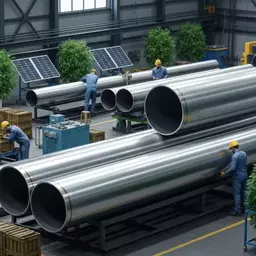
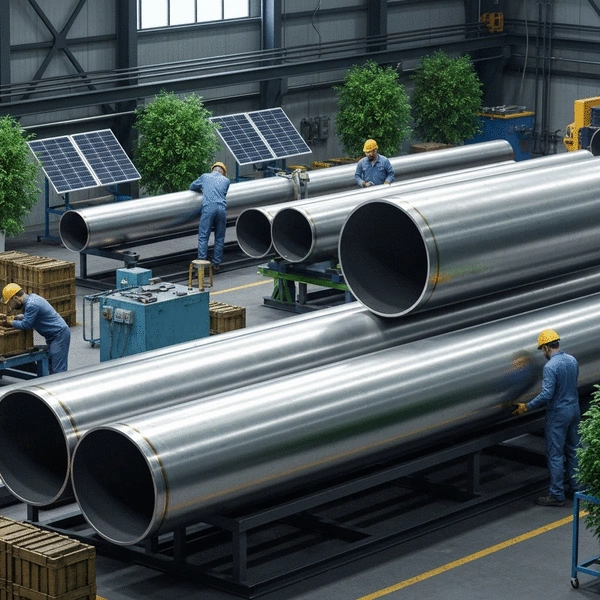
Another vital aspect is the usage of renewable energy sources in production. Many mills are now harnessing solar or wind energy to power their operations, which decreases reliance on fossil fuels. This shift not only enhances sustainability but also aligns with global efforts to transition to cleaner energy sources. The World Steel Association's Sustainability Indicators report offers comprehensive data on these advancements.
The Importance of Recyclability in Steel Production
One of the most significant advantages of steel as a material is its high recyclability. Steel can be recycled indefinitely without losing its properties, making it a truly sustainable option for many industries. This aspect contributes immensely to resource efficiency, as recycling steel uses significantly less energy compared to producing new steel from raw materials.
Here are a few key points regarding the recyclability of steel:
- Energy Savings: Recycling steel saves about 74% of the energy used to produce new steel from iron ore.
- Resource Conservation: Recycled steel helps conserve natural resources, reducing the need for mining and processing of new iron ore.
- Market Demand: There is a growing demand for recycled steel, allowing manufacturers to meet sustainability goals while remaining competitive in the market.
As we advance towards more sustainable practices, understanding the recyclability of steel becomes essential for sourcing agents and decision-makers alike. This knowledge helps us make informed choices that support environmental goals while ensuring high-quality outcomes.
Pro Tip
To maximize the sustainability of your steel pipe sourcing, consider prioritizing manufacturers that not only adhere to environmental regulations but also actively invest in innovative recycling technologies. This can significantly enhance the lifecycle value of your products while reducing environmental impact.
Looking Ahead: The Future of Sustainable Steel Pipe Production
The steel industry is at a crossroads, facing a mix of challenges and opportunities as it transitions toward more sustainable practices. While the goal of sustainability is clear, the path to achieving it is fraught with obstacles. From the need for substantial investments in new technologies to the complexities of global supply chains, there are many factors at play. However, with these challenges come innovative solutions that can transform the industry and pave the way for a more eco-friendly future.
As I delve deeper into the steel manufacturing sector, I see that innovation is key. Companies are beginning to explore alternative materials and methods that not only reduce their carbon footprint but also enhance efficiency. This shift is vital if we want to meet the growing demand for sustainable steel products while still maintaining performance standards. The future of steel pipe production hinges on our ability to adapt and innovate!
Challenges and Opportunities in the Steel Industry
When we talk about the steel industry's future, several key challenges emerge:
- High Initial Investment: Transitioning to green technologies often requires significant capital upfront. Initiatives like government subsidies for green steel transitions can help mitigate these costs.
- Regulatory Compliance: Navigating the evolving landscape of environmental regulations can be daunting.
- Supply Chain Complexities: Ensuring sustainable sourcing from suppliers who share similar values adds another layer of difficulty.
- Market Demand: Balancing consumer demand for cost-effective products with sustainable practices is always a tightrope walk.
Yet, with these challenges come remarkable opportunities. The push for sustainable steel production opens the door to technological advancements and collaborations across the industry. Companies that embrace change can position themselves as leaders in the market, attracting environmentally conscious clients and investors alike.
Call to Action for Industry Stakeholders
Now is the time for industry stakeholders to step up and prioritize ESG standards and sustainable practices in their operations. Whether you're a sourcing agent, a supplier, or a decision-maker, your role is pivotal in driving this change. Embracing sustainability isn't just a trend; it's a necessity for long-term viability in the steel industry.
Here are a few actionable steps you can take to make a difference:
- Evaluate your suppliers: Ensure they adhere to sustainability practices and can demonstrate their commitment to ESG frameworks.
- Invest in R&D: Allocate resources to explore new materials and technologies that minimize environmental impact.
- Engage with industry networks: Collaborate with peers to share best practices and drive collective action towards sustainability.
- Educate your team: Foster a culture of awareness around sustainable practices to encourage innovative thinking within your organization.
By taking these steps, we can elevate the sourcing standards in the steel pipe industry and ensure that we are not just meeting today's needs, but also paving the way for future generations. Let’s be proactive and embrace the potential of sustainable steel together!
FAQs on Sustainable Steel Pipe Production
What are the benefits of circular economy practices in steel production?
Adopting circular economy principles in steel production offers several key advantages, including:
- Resource Efficiency: Maximizing the use of materials reduces waste and lowers resource extraction.
- Cost Savings: Recycling and reusing materials can significantly cut production costs.
- Lower Environmental Impact: Decreasing the use of virgin materials leads to reduced emissions and pollution.
- Enhanced Brand Image: Companies that embrace sustainable practices can attract environmentally conscious customers.
These benefits highlight why moving towards a circular economy is not only sensible but essential for the future of steel production.
How can consumers identify sustainable steel products?
For consumers looking to make informed choices, here are some tips to evaluate and select sustainable steel pipes and producers:
- Check for Certifications: Look for products with recognized green certifications that indicate adherence to sustainability standards.
- Research Manufacturer Practices: Investigate the production methods and materials used by the manufacturer.
- Ask About Recycling Programs: Ensure the supplier has end-of-life strategies for their products.
- Look for Transparency: Choose companies that openly share their sustainability goals and performance metrics.
By following these guidelines, consumers can confidently choose products that align with their values and support sustainable practices.
What role do green certifications play in sustainable steel production?
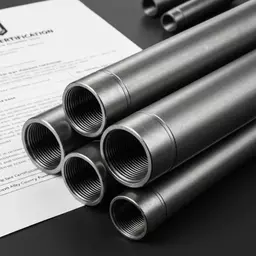
Green certifications serve as a crucial benchmark for consumers and industry stakeholders alike. They offer a way to gauge a manufacturer's commitment to sustainability and environmental responsibility. Some key roles of these certifications include:
- Credibility: Certifications provide an independent verification of a company's sustainable practices.
- Guidance: They help consumers navigate the market by identifying responsible producers.
- Incentives for Improvement: Certification processes encourage manufacturers to adopt better practices to maintain their status.
- Market Differentiation: Companies that achieve certifications can stand out in a competitive marketplace.
In short, green certifications guide consumers toward making informed decisions and drive the industry towards greater accountability in sustainability.
Recap of Key Points
Here is a quick recap of the important points discussed in the article:
- Embrace the principles of the circular economy to enhance sustainability in steel pipe production.
- Implement recycling and reuse practices to minimize waste and maximize resource efficiency.
- Adopt low-carbon methods and utilize renewable energy sources to reduce greenhouse gas emissions.
- Recognize the high recyclability of steel, which saves energy and conserves natural resources.
- Prepare for challenges such as high initial investments and regulatory compliance while seizing opportunities for innovation.
- Prioritize ESG standards in sourcing decisions to support sustainable practices in the steel industry.