In the realm of steel manufacturing, understanding the differences between seamless and welded pipes can significantly impact your sourcing decisions. Are you ready to learn how these distinctions affect strength, durability, and application suitability?
What You Will Learn
- Seamless pipes are stronger and more durable, making them ideal for high-pressure applications.
- Welded pipes are typically more cost-effective and suitable for general-purpose uses.
- Understanding material grades like ASTM A106 and ASTM A53 is crucial for ensuring compatibility with your project needs.
- Evaluating manufacturers based on quality certifications and industry reputation can lead to better sourcing outcomes.
Seamless vs. Welded Steel Pipes: Key Distinctions
This comparison highlights the fundamental differences in manufacturing, application, and cost between seamless and welded steel pipes, crucial for informed sourcing decisions.
Seamless Steel Pipes
- Produced from a solid round billet, heated and pushed or pulled over a form.
- Ideal for high-pressure and high-stress applications.
- Offers superior strength and durability.
- Commonly uses ASTM A106 specification.
Welded Steel Pipes
- Manufactured by rolling and welding flat steel plates or strips.
- More affordable and suitable for general purpose.
- Can be cost-effective for low-stress situations.
- Commonly uses ASTM A53 specification.
Understanding the Basics: Seamless vs. Welded Steel Pipes
In the world of steel manufacturing, one of the first decisions you’ll encounter is whether to use seamless or welded steel pipes. Each type has its own unique characteristics and advantages, making it essential for sourcing agents and procurement teams to understand the distinctions. Let’s dive into what makes these two types of pipes stand out!
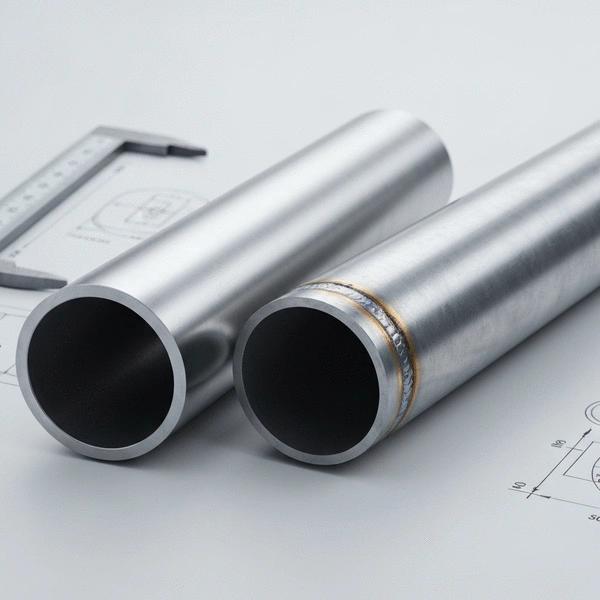
Seamless pipes, as the name suggests, are crafted without any seams or welds, offering a smooth surface throughout their length. On the other hand, welded pipes are made by joining two edges together, which can impact their strength and durability. This difference plays a significant role in which type you might choose for your specific needs.
Defining Seamless and Welded Steel Pipes
To clarify further, here’s a breakdown of the definitions:
- Seamless Steel Pipes: Produced from a solid round billet, they are heated and pushed or pulled over a form until the desired diameter is achieved.
- Welded Steel Pipes: Manufactured by rolling and welding flat steel plates or strips into a pipe shape, creating a seam along the length of the pipe.
Understanding these definitions is crucial, as they affect everything from manufacturing processes to end-use applications. When I first started in the steel industry, grasping these basics paved the way for making informed sourcing decisions.
Key Manufacturing Processes: How Each Type is Made
The manufacturing processes for seamless and welded pipes differ significantly, impacting their attributes and suitability for various applications. Below is a summary of how each type is produced:
- Seamless Pipe Production: Involves steps like heating the billet, piercing, elongating, and then finishing through processes like cold drawing.
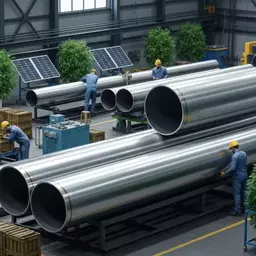
- Welded Pipe Production: Involves shaping and welding flat strips, followed by processes such as hydro-testing and coating.
By understanding these manufacturing processes, you can better evaluate which type of steel pipe will meet your requirements. It’s fascinating how technology has evolved in this field! For instance, advancements in welding techniques have significantly improved the quality of welded pipes, making them a viable option for many applications. For more detailed information on pipe manufacturing and integrity, you can refer to resources from the Pipeline and Hazardous Materials Safety Administration (PHMSA).
Material Grades and Pipe Specifications: What You Need to Know
When selecting the right steel pipes, it’s essential to consider the material grades and specifications that align with your project needs. Different grades reflect varying levels of strength, corrosion resistance, and other properties. Here’s what you should focus on:
- ASTM A106: Commonly used for seamless pipes, ideal for high-temperature service.
- ASTM A53: A widely used specification for welded and seamless pipes, suitable for a variety of applications.
- API 5L: Designed for pipeline transportation systems in the oil and gas industry.
Knowing the right specifications not only helps in ensuring compliance but also guarantees that the products will perform as expected in the field. As I always say, the right material grade can make all the difference in your project’s success! You can find more information on technical standards and regulatory references from the Federal Register, which provides updates on pipeline safety regulations and standards.
Pro Tip
When sourcing steel pipes, always consider the long-term implications of your choices. While seamless pipes may be more expensive upfront, their durability can lead to lower maintenance costs and fewer replacements over time. Conversely, welded pipes can be cost-effective for less demanding applications, but be sure to assess their quality standards to avoid future issues.
Frequently Asked Questions About Steel Pipes
To further assist in your decision-making, here are some common questions regarding seamless and welded steel pipes:
- Q: What is the primary difference between seamless and welded pipes?
- A: Seamless pipes are manufactured from a solid billet without any welds, offering uniform strength, making them ideal for high-pressure and high-temperature applications. Welded pipes are formed by rolling and welding flat steel plates, which can introduce a seam that might be a point of weakness in extreme conditions.
- Q: Which type of pipe is more durable?
- A: Seamless pipes generally offer superior durability and strength due to their homogeneous structure, making them better suited for demanding environments. Welded pipes can be durable for specific applications, but their strength is often limited by the weld joint.
- Q: Are seamless pipes always more expensive than welded pipes?
- A: Typically, yes. The manufacturing process for seamless pipes is more complex and resource-intensive, leading to a higher cost. Welded pipes, being simpler to produce, are generally more cost-effective, especially for applications where extreme pressure or stress is not a primary concern.
- Q: What material grades are commonly associated with seamless and welded pipes?
- A: Seamless pipes often use specifications like ASTM A106, which is suitable for high-temperature service. Welded pipes commonly use ASTM A53, which is a versatile specification for various applications. For pipeline transportation, both types can adhere to API 5L standards.
- Q: How do I choose the right pipe type for my project?
- A: The choice depends on your project's specific requirements, including pressure, temperature, corrosion resistance, and budget. For critical applications involving high stress, seamless pipes are usually preferred. For general-purpose and lower-stress applications, welded pipes offer a cost-effective solution. Always consult relevant industry standards and material specifications.
Summary of Key Considerations for Sourcing Steel Pipes
As we wrap up our discussion, it's essential to recap the fundamental factors that influence your sourcing decisions for steel pipes. Understanding the strengths and weaknesses of seamless versus welded pipes is crucial. For instance, seamless pipes offer superior strength and durability, making them ideal for high-pressure applications, while welded pipes can be more cost-effective for low-stress situations. Knowing when to use each type is key to maximizing your project’s efficiency!
- Seamless Steel Pipes: Best for high-pressure and high-stress applications.
- Welded Steel Pipes: More affordable and suitable for general purpose.
- Application Suitability: Align your choice with project requirements.
Additionally, evaluating the total cost of ownership can guide your budget effectively. The initial price is just one part of the equation. Consider maintenance, lifetime durability, and potential replacements when making your final decision. The right choice can lead to significant savings in the long run! For further insights into the steel pipe market and trade, you may find reports from the U.S. International Trade Commission (USITC) valuable.
Final Thoughts on Selecting the Right Manufacturer for Your Needs
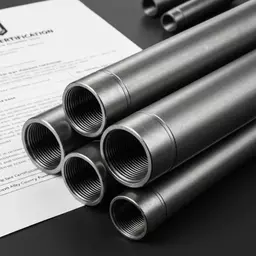
Selecting the appropriate manufacturer is as vital as choosing the right type of pipe. You want a supplier that upholds high standards of quality and reliability. Remember to check for essential certifications and compliance with international standards, as these will play a significant role in ensuring you receive high-quality products.
- Quality Certifications: Look for ISO and API certifications.
- Supplier Reliability: Assess lead times and consistency in delivery.
- Industry Reputation: Research reviews and testimonials from other buyers.
At Steel Pipe Insights, I believe that making informed sourcing decisions starts with understanding both the materials and the manufacturers. Don’t hesitate to reach out for personalized insights or clarifications on any aspects of the sourcing process!
Call to Action: Take the Next Steps in Your Sourcing Journey
Further Resources for Sourcing Agents and Procurement Teams
Now that you have a solid overview of steel pipe sourcing, what’s next? I encourage you to explore the myriad resources available to deepen your understanding. From technical glossaries to comprehensive buyer checklists, Steel Pipe Insights aims to equip you with the tools you need for successful procurement!
- Technical Glossaries: Clarify industry jargon and terminology.
- Buyer Checklists: Ensure you cover all critical aspects when sourcing.
- Market Analysis Reports: Stay updated on the latest industry trends.
Utilizing these resources will empower you to make choices that align with your business objectives and operational needs. The more informed you are, the better your decisions will be!
Engage with Industry Experts to Optimize Your Decisions
Don’t underestimate the value of engaging with industry experts! Whether it’s through webinars, networking events, or consulting services, connecting with thought leaders can provide valuable insights that go beyond what you can read in articles. Sharing experiences can truly enhance your understanding of the steel pipe market.
- Webinars: Attend sessions hosted by industry professionals.
- Networking Events: Meet peers and share insights.
- Consulting Services: Get tailored guidance specific to your needs.
Remember, you’re not alone on this journey. There are communities and experts eager to share their knowledge!
Utilizing Product Catalogs and Trade Shows for Better Sourcing
Lastly, utilizing product catalogs and attending trade shows can significantly enhance your sourcing strategy. These platforms allow you to see products in action and understand the innovations in the market. You’ll have a chance to meet manufacturers face-to-face and gather first-hand information that can’t be found online.
- Product Catalogs: Review detailed specifications and options.
- Trade Shows: Network with suppliers and discover new products.
- Demonstrations: Watch live demonstrations of new technologies and processes.
So, don’t miss out on these opportunities! Equip yourself with the right knowledge and connections to elevate your sourcing efforts in the steel pipe industry.
Recap of Key Points
Here is a quick recap of the important points discussed in the article:
- Seamless Steel Pipes: Ideal for high-pressure and high-stress applications due to their strength and durability.
- Welded Steel Pipes: More cost-effective for general purposes but may compromise on strength compared to seamless pipes.
- Manufacturing Processes: Seamless pipes are produced from solid billets, while welded pipes are made from flat steel plates.
- Material Grades: Understand specifications like ASTM A106 and API 5L to ensure compliance with project requirements.
- Supplier Selection: Prioritize quality certifications and assess supplier reliability to ensure high-quality products.