With the reinstatement of China's steel export licensing policy effective January 1, 2026, the landscape for exporters is about to shift dramatically. Are you ready to adapt your sourcing strategies to meet these new requirements?
What You Will Learn
- Mandatory Licensing: Every steel pipe export will require a license, increasing regulation and compliance requirements.
- Quality Assurance: Stricter quality standards will be implemented, ensuring only high-quality products make it to market.
- Government Oversight: The Ministry of Commerce will oversee compliance, emphasizing the importance of understanding the licensing process.
- Proactive Engagement: Companies should take initiative by reviewing policies, engaging with suppliers, and investing in compliance training.
China's 2026 Steel Pipe Export Policy: Key Changes and Impacts
This visual summarizes the critical shifts and their implications under China's new export licensing policy, effective January 1, 2026.
Key Policy Changes (Announcement No. 79/2025)
- Mandatory Licensing for all steel pipe exports.
- Enhanced Quality Control requirements for licenses.
- Increased Oversight by Ministry of Commerce.
Effective: Jan 1, 2026
Licensing Process & Requirements
- Contractual Obligations compliance.
- Obtain Quality Certification from recognized bodies.
- Formal Application Submission to authorities.
Streamlined for compliance
Impacts on Sourcing & Supply Chains
- **Price Stabilization:** Eliminates grey market.
- **Enhanced Credibility:** Benefits compliant suppliers.
- **Strategic Re-evaluation:** For international buyers.
Fosters cleaner supply chain
Proactive Engagement Strategies
- Regularly Review Policy Updates.
- Engage with Suppliers for compliance checks.
- Invest in Procurement Team Training.
Adapt to thrive
Understanding China's 2026 Steel Pipe Export Licensing Policy
The steel industry is bracing for significant changes with the reinstatement of licensing under Announcement No. 79/2025, effective January 1, 2026. This policy shift marks a pivotal moment for manufacturers and export operations as it introduces a new layer of complexity to the export process. For sourcing agents and decision-makers in the steel sector, understanding these changes will be crucial for navigating the evolving market landscape.
As someone deeply invested in the steel manufacturing industry, I see this as an opportunity for transparency and compliance that can benefit both exporters and importers alike. By keeping informed about these regulations, we can better assess production credibility and supplier reliability.
Key Changes in the Export Licensing System
With the reinstatement of the licensing system, manufacturers will need to adapt quickly to the new requirements. Here are the key changes to be aware of:
- Mandatory Licensing: All steel pipe exports will require a license, aiming to streamline and regulate the export process.
- Enhanced Quality Control: Manufacturers must meet stringent quality standards to secure an export license, ensuring high-quality products in the market.
- Increased Oversight: The Ministry of Commerce will play a central role in monitoring compliance with these licensing requirements.
These changes will not only enhance product quality but also help eliminate low-grade suppliers from the market, fostering a healthier competitive environment. For a deeper understanding of these upcoming changes, you can refer to reports from industry sources like MySteel.net, which highlights China's plan to place 300 steel products under export licensing.
Licensing Process and Requirements for Exporters
Understanding the steps involved in obtaining a steel export license is essential for manufacturers. Here's a concise breakdown of the licensing process, which will be overseen by authorities such as the General Administration of Customs of China:
- Contractual Obligations: Exporters must establish contracts that comply with the new regulations.
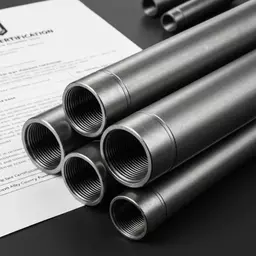
- Quality Certification: Obtaining quality certificates from recognized bodies is necessary to demonstrate compliance.
- Application Submission: A formal application must be submitted to the relevant authorities for approval.
It's vital for exporters to prepare these documents ahead of time. By having everything in order, they can ensure a smooth licensing process and minimize potential delays.
Role of the Ministry of Commerce in Export Licensing
The Ministry of Commerce will be instrumental in enforcing the new licensing requirements. Their role includes not only overseeing the licensing process but also providing guidance to manufacturers on compliance. This involvement signifies a commitment to maintaining high standards in the steel pipe industry and ensuring that all exports meet rigorous quality and regulatory expectations.
For us at Steel Pipe Insights, staying updated on how the Ministry implements these changes will be crucial. This knowledge will empower our audience to navigate the complexities of sourcing decisions more effectively.
Impacts on International Sourcing and Supply Chains
As we delve deeper into the implications of the new export licensing policy, it's essential to consider how these changes will impact international sourcing and supply chains.
Frequently Asked Questions (FAQs)
What is China's new steel export licensing policy, and when does it take effect?
China's new steel export licensing policy, under Announcement No. 79/2025, mandates that all steel pipe exports will require a license starting January 1, 2026. This aims to streamline and regulate the export process.
What are the key changes introduced by this policy?
The key changes include mandatory licensing for all steel pipe exports, enhanced quality control requirements, and increased oversight by the Ministry of Commerce.
What are the requirements for exporters to obtain a license?
Exporters must ensure contractual obligations comply with new regulations, obtain quality certifications from recognized bodies, and submit a formal application to the relevant authorities.
How will this policy impact international sourcing and supply chains?
The policy is expected to stabilize prices by eliminating the grey market, enhance credibility for compliant suppliers, and require international buyers to re-evaluate their strategic sourcing. It aims to foster a cleaner supply chain.
What proactive steps should businesses take to adapt to the new policy?
Businesses should regularly review policy updates, engage with suppliers for compliance checks, invest in procurement team training, and leverage resources like Steel Pipe Insights to stay informed.
We Want to Hear From You!
As we explore the implications of China's new export licensing policy, how do you feel about the changes? Do you think they will enhance the quality of steel pipes in the market? Share your thoughts below:
Summary of Key Takeaways on Export Licensing and Compliance
As we delve into the complexities of China's new export licensing policy, it’s crucial to recognize the significant changes that will affect sourcing strategies globally. With the reinstatement of licensing requirements under Announcement No. 79/2025, effective from January 1, 2026, manufacturers and exporters must adapt to a more structured compliance framework.
Here are the key takeaways that every sourcing agent and industrial decision-maker should keep in mind:
- Licensing Requirement: The new policy mandates that all steel exports must have valid licenses, which includes strict adherence to quality certifications.
- Price Stabilization: The policy aims to stabilize prices by eliminating the grey market, fostering a cleaner supply chain.
- Government Oversight: The Ministry of Commerce plays a critical role in regulating these changes, ensuring compliance at every level.
- Adaptation Necessity: Businesses need to develop clear strategies to comply with these regulations and mitigate potential disruptions in their supply chains.
Understanding these themes will be vital for navigating the evolving landscape of international steel sourcing and compliance. The new licensing requirements are not merely a hurdle; they present an opportunity for companies to strengthen their sourcing practices and build stronger, more compliant relationships with suppliers.
Encouraging Proactive Engagement with the New Policy
Now more than ever, it’s essential for businesses to actively engage with the implications of these policy changes. At Steel Pipe Insights, I encourage all readers to not only stay informed but also to take proactive steps towards adapting your sourcing strategies. This means seeking out detailed information about the licensing requirements and working closely with suppliers to ensure compliance.
To effectively adapt to the new regulatory environment, consider the following engagement strategies:
- Regularly Review Policy Updates: Stay informed about any changes or clarifications in the export licensing policy.
- Engage with Suppliers: Communicate with your suppliers to ensure they have the necessary licenses and certifications in place.
- Invest in Training: Educate your procurement teams about compliance requirements and best practices for sourcing steel pipes.
- Leverage Resources: Utilize platforms like Steel Pipe Insights to gather information, resources, and insights that can help you navigate these changes.
By taking these steps, you can not only thrive in this new landscape but also contribute to creating a more transparent and efficient steel market. Together, let's embrace this change and ensure our sourcing decisions reflect the integrity and quality that the industry demands!
Recap of Key Points
Here is a quick recap of the important points discussed in the article:
- Mandatory Licensing: All steel pipe exports will require a license from January 1, 2026, enhancing regulation.
- Quality Control Standards: Exporters must meet strict quality certifications to obtain licenses.
- Increased Government Oversight: The Ministry of Commerce will monitor compliance and provide guidance to manufacturers.
- Proactive Engagement: Businesses should regularly review policy updates and engage with suppliers to ensure compliance.
- Adaptation Strategies: Developing clear strategies is essential for mitigating disruptions in supply chains.