When evaluating stainless steel pipes for your projects, understanding the nuances of corrosion resistance can be a game-changer. Do you know which grades will best withstand the harsh environments of your application?
What You Will Learn
- Familiarity with key stainless steel grades, particularly AISI 304, AISI 316, 2205, and 2507, and their specific corrosion resistance properties.
- Understanding ASTM and ISO standards that govern the performance expectations of stainless steel pipes.
- The importance of rigorous corrosion testing methods, such as ASTM G48 and crevice corrosion testing, in validating material claims.
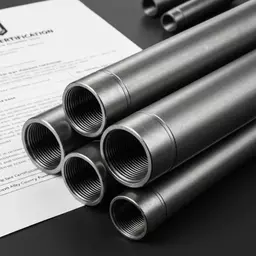
- Best practices for requesting material certifications to ensure compliance with industry standards during procurement.
Stainless Steel Pipe Grades: Corrosion Resistance Overview
This visual compares key stainless steel grades and their corrosion resistance properties, along with common testing methods.
Key Stainless Steel Grades
- AISI 304: Good general resistance, not for chlorides.
- AISI 316: Enhanced pitting resistance (Molybdenum), marine use.
- 2205 (Duplex): Higher strength, better chloride resistance.
- 2507 (Super Duplex): Exceptional localized corrosion resistance.
Corrosion Resistance Standards
- ASTM A312: Seamless/welded austenitic pipes (high temp).
- ASTM A213: Ferritic/austenitic boiler, superheater tubes.
- ASTM A790: Duplex pipes for sour service environments.
- ISO Standards: Enhances product credibility.
Corrosion Testing Methods
- ASTM G48: Assesses pitting resistance (chlorides).
- Crevice Corrosion: Evaluates localized corrosion in gaps.
- MIC Testing: Assesses bacterial influence on material integrity.
Key Takeaways for Evaluation
- Standards: Familiarize with ASTM & ISO corrosion standards.
- Testing: Recognize importance of rigorous testing methods.
- Certifications: Always request material certifications.
Understanding Stainless Steel Pipe Options: Corrosion Resistance Standards
When it comes to selecting the right stainless steel pipes, understanding corrosion resistance standards is crucial. In the steel manufacturing industry, the grade of stainless steel can significantly influence its performance in corrosive environments. I’ve seen firsthand how choosing the right grade impacts project success, especially in industries like chemical processing and oil and gas. Let’s explore the key grades and their corrosion properties to make informed decisions.
Key Stainless Steel Grades and Their Corrosion Properties
There are several stainless steel grades commonly used in the industry, each with unique alloy compositions that affect their corrosion resistance. Here are a few essential grades to consider:
- AISI 304: This is the most widely used grade, known for its good corrosion resistance in many environments, but it's not ideal for chloride-rich conditions.
- AISI 316: An upgrade from 304, this grade includes molybdenum, which enhances its resistance to pitting and crevice corrosion, making it suitable for marine applications.
- 2205: A duplex stainless steel, 2205 has a higher strength and better corrosion resistance, particularly in chloride environments.
- 2507: This super duplex grade offers exceptional resistance to localized corrosion and high strength, ideal for highly corrosive conditions.
Understanding these grades helps you choose the right material to ensure long-term performance and reliability. For instance, if you’re operating in a coastal area, AISI 316 or 2205 might be your best bet due to their enhanced corrosion resistance.
Comparative Analysis of Corrosion Resistance Standards
Standards play a vital role in evaluating the corrosion resistance of stainless steel pipes. The ASTM standards, such as A312, A213, and A790, provide guidelines for manufacturing and testing, ensuring that products meet specific performance criteria. Here’s a brief overview:
- ASTM A312: Covers seamless, welded, and heavily cold-worked austenitic stainless steel pipe for high-temperature service.
- ASTM A213: Focuses on seamless ferritic and austenitic steel boiler, superheater, and heat-exchanger tubes.
- ASTM A790: Pertains to duplex stainless steel pipe, emphasizing its application in sour service environments, as detailed in various API publications.
In addition to ASTM, compliance with ISO standards also enhances product credibility. These standards help ensure that the materials used will withstand the rigors of their intended applications, reducing the likelihood of costly failures.
The Role of Corrosion Testing in Material Selection
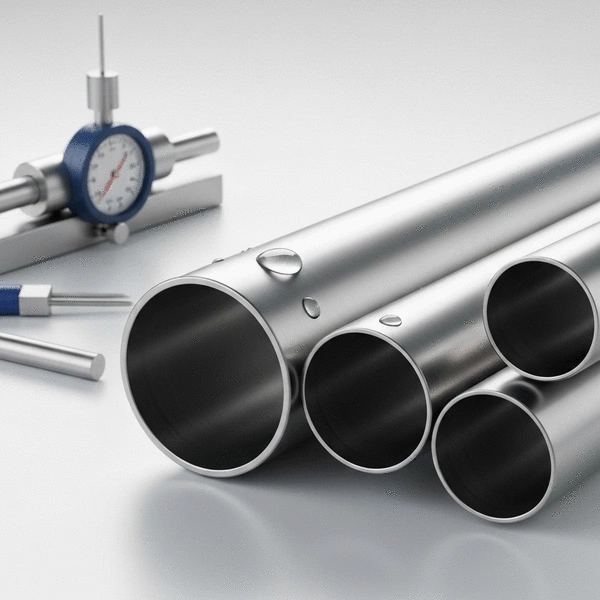
When selecting stainless steel pipes, it’s essential to understand the methods used to test corrosion resistance. Corrosion testing helps verify that the materials will perform as expected in challenging environments. Common methods include:
- ASTM G48: This standard is used to assess pitting resistance in stainless steels, important for applications exposed to chlorides.
- Crevice Corrosion Testing: This method evaluates a material's resistance to localized corrosion in gaps between materials, a critical aspect often highlighted in resources like the EPA's guidance on small-diameter SS fittings.
- Microbial Influenced Corrosion (MIC) Testing: This testing assesses how bacteria can affect the integrity of the materials in specific environments.
Incorporating these testing methods into your decision-making process ensures that you are selecting materials that can withstand the conditions they will face, ultimately enhancing your project's reliability and performance.
Pro Tip
When evaluating stainless steel pipes, always consider the combination of corrosion resistance and mechanical properties. For instance, if your application involves exposure to harsh chemicals, selecting a grade with higher pitting resistance, such as AISI 316 or 2507, can prevent premature failure and significantly reduce maintenance costs in the long run.
Summarizing the Key Takeaways for Evaluating Manufacturers
As we delve deeper into the world of stainless steel pipes, it's crucial to recap the pivotal elements that can significantly impact your sourcing decisions. Understanding corrosion resistance standards, testing protocols, and material certifications is not just important; it's essential for making informed choices. These factors ensure that the manufacturers you select meet the required specifications and standards for your specific applications.
Here are some key takeaways to remember:
- Corrosion Resistance Standards: Familiarize yourself with ASTM and ISO standards that dictate the expected performance of different stainless steel grades.
- Testing Protocols: Recognize the importance of rigorous testing methods, such as ASTM G48 and ASTM A262, that validate a manufacturer's claims regarding corrosion resistance.
- Material Certifications: Always request material certifications to verify that the products conform to the specified standards and are suitable for your application.
These takeaways will help you navigate the complexities of selecting a reputable supplier and ensure you prioritize quality and reliability in your procurement process.
Next Steps: Making Informed Procurement Decisions
Now that we've summarized the essential factors, it's time to take action! I encourage you to utilize the tools and guidelines provided throughout this article for effective supplier evaluation. Choosing the right manufacturer is key to ensuring that you receive high-quality stainless steel pipes tailored to your specific requirements.
To facilitate your decision-making process, consider the following next steps:
- Review your vendor scorecard to assess potential manufacturers against established criteria.
- Engage with suppliers to inquire about their testing protocols and certifications.
- Leverage the infographics and downloadable resources mentioned earlier to streamline your procurement strategy.
By following these steps, you can confidently select manufacturers that align with your operational needs, ultimately enhancing your sourcing outcomes.
FAQs: Addressing Common Queries
To wrap up, let’s address some frequently asked questions that often arise during the procurement process:
- What are the main grades of stainless steel pipes? Common grades include AISI 304, AISI 316, 2205 (Duplex), and 2507 (Super Duplex), each offering varying levels of corrosion resistance.
- How is corrosion resistance tested? Methods like ASTM G48 evaluate pitting resistance, while others assess crevice corrosion and microbial influenced corrosion (MIC).
- What should I look for in supplier evaluations? Consider compliance with ASTM and ISO standards, the results of corrosion testing, and the availability of material certifications.
- Why are material certifications important? Material certifications verify that the products conform to specified standards and are suitable for your application, ensuring quality and reliability.
- What is the difference between AISI 304 and AISI 316? AISI 316 contains molybdenum, which significantly enhances its resistance to pitting and crevice corrosion compared to AISI 304, making it better for chloride-rich environments.
These FAQs aim to clarify common uncertainties and equip you with the knowledge necessary for successful supplier evaluations. Remember, informed decisions lead to successful sourcing outcomes!
Recap of Key Points
Here is a quick recap of the important points discussed in the article:
- Corrosion Resistance Standards: Familiarize yourself with ASTM and ISO standards that dictate the expected performance of different stainless steel grades.
- Testing Protocols: Recognize the importance of rigorous testing methods, such as ASTM G48 and ASTM A262, that validate a manufacturer's claims regarding corrosion resistance.
- Material Certifications: Always request material certifications to verify that the products conform to the specified standards and are suitable for your application.
- Grade Selection: Choose the appropriate stainless steel grade based on the specific environmental conditions, such as AISI 316 or 2205 for chloride-rich areas.
- Supplier Evaluation: Use a vendor scorecard to assess potential manufacturers against established criteria for quality and reliability.