In a landscape where efficient and safe electrical systems are paramount, understanding the role of steel conduit in data centers is vital. With its robust nature and compliance with stringent safety standards, steel conduit emerges as a backbone for reliable power distribution. Let's explore the essential insights and lessons that you can glean from this topic.
What You Will Learn
- Steel conduit offers unmatched durability, making it ideal for high-stress environments in data centers.
- Corrosion resistance ensures the longevity of steel conduit, minimizing maintenance and replacement costs.
- Understanding the differences between rigid and flexible steel conduit allows for better application based on specific data center needs.
- Key mechanical properties like tensile strength and impact resistance enhance the performance of steel conduits, ensuring safety and reliability.
- Steel conduit excels in EMI shielding and fire resistance, providing essential protection for sensitive data and equipment.
- Choosing steel over alternatives like PVC and fiberglass can lead to more sustainable practices and reduced environmental impact.
- Compliance with industry standards is crucial for ensuring the safety and functionality of electrical systems within data centers.
Steel Conduit vs. Alternatives in Data Centers
This comparison highlights the key differences between steel conduit and alternative materials like PVC and fiberglass across critical factors for data center applications.
Steel Conduit: The Data Center Standard
- ✓ Durability: High impact & corrosion resistance, extreme temperature tolerant.
- ✓ EMI Shielding: Excellent protection for sensitive equipment.
- ✓ Fire Resistance: Non-combustible, enhances safety.
- ✓ Recyclability: 100% recyclable, supports circular economy.
- ✓ Types: Rigid (RSC) for maximum protection, Flexible (FSC) for dynamic setups.
Alternative: PVC Conduit
- ⚠ Durability: Lightweight, cost-effective but brittle over time, especially with UV exposure.
- ⚠ EMI Shielding: Limited to none.
- ⚠ Fire Resistance: Combustible, less safe in fire-prone areas.
- ⚠ Environmental: Disposal and production waste challenges.
Alternative: Fiberglass Conduit
- ⚠ Durability: Non-conductive, corrosion-resistant but lacks mechanical strength of steel.
- ⚠ EMI Shielding: Limited to none.
- ⚠ Fire Resistance: Can be formulated for fire resistance, but typically not as inherent as steel.
- ⚠ Environmental: Disposal and production waste challenges.
Understanding Steel Conduit in Data Centers: Key Specifications and Benefits
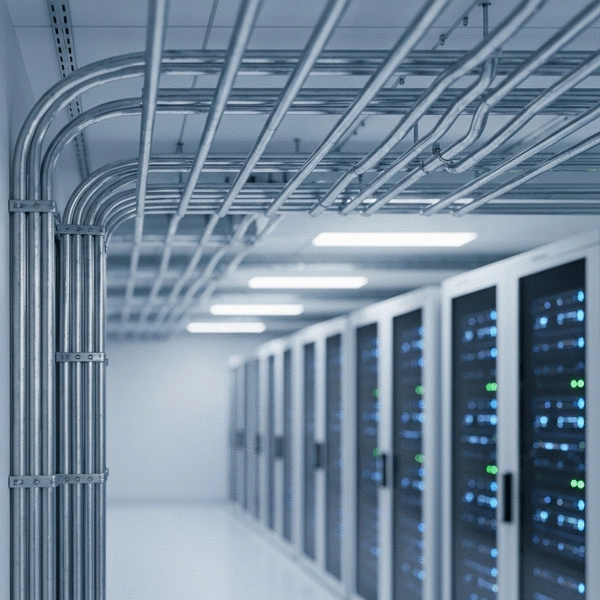
In the ever-evolving landscape of data centers, the importance of steel conduit cannot be overstated. As a seasoned expert in the steel manufacturing industry, I've witnessed firsthand how critical it is for ensuring the safety and efficiency of electrical systems. Steel conduit acts as the backbone for electrical wiring, providing vital protection and organization while enhancing the overall reliability of power distribution.
So, what exactly is steel conduit? Simply put, it's a type of piping that protects electrical wiring from physical damage and environmental factors. In data centers, where high-performance and low downtime are key, using steel conduit is essential. Its strength and durability make it a preferred choice, especially in environments that demand exceptional safety standards.
What is Steel Conduit and Why is it Essential for Data Centers?
Steel conduit is designed to safeguard electrical cables against various potential hazards, ranging from mechanical stress to moisture. In data centers, where large amounts of data are processed and transmitted, maintaining an uninterrupted power supply is vital. Here are a few reasons why steel conduit is indispensable:
- Durability: Steel conduit is robust and can withstand impact, making it ideal for high-stress environments.
- Corrosion Resistance: Many steel conduits are treated to resist rust and corrosion, ensuring long-lasting performance.
- Fire Safety: Steel is inherently fire-resistant, providing an added layer of safety in data centers that rely on continuous power.
Emphasizing these advantages, I've come to appreciate how steel conduit can significantly reduce maintenance costs over time, as its longevity translates to fewer replacements and repairs. This contributes to the overall reliability and efficiency of critical infrastructure, as highlighted in the Best Practice Guide for Data Center Design.
Technical Specifications of Steel Conduit: Rigid vs. Flexible Options
When it comes to choosing steel conduit for data centers, you'll find that there are primarily two types: rigid and flexible. Both options have their own unique specifications that can affect their application:
- Rigid Steel Conduit (RSC): This type is solid and offers maximum protection, often used in permanent installations where the conduit is not meant to be moved or altered.
- Flexible Steel Conduit (FSC): Unlike its rigid counterpart, flexible conduit is easier to install in tight spaces and allows for movement of wiring, making it suitable for dynamic setups.
Deciding between rigid and flexible options depends largely on your data center's specific needs and layout. As an expert, I recommend assessing the environment and future expansion possibilities before making a choice.
Key Mechanical Properties of Steel Conduit and Their Impact on Performance
Understanding the mechanical properties of steel conduit will help you appreciate how these specifications impact performance. Key properties include:
- Tensile Strength: Steel conduit typically exhibits high tensile strength, which is crucial for withstanding heavy loads and external pressures.
- Impact Resistance: This property ensures that the conduit can handle accidental hits without compromising electrical integrity.
- Weight: The weight of steel conduit can be both an advantage and a challenge, affecting installation methods and support requirements.
With these attributes, steel conduit not only meets but often exceeds the performance criteria necessary for maintaining optimal conditions in data center operations. By focusing on these mechanical properties, you can make informed decisions that align with best practices in the industry.
Interactive Poll: Your Experience with Steel Conduit
Have you worked with steel conduit in your data center operations? We’d love to hear about your experiences! What do you consider the most significant advantage of using steel conduit compared to other materials?
Comparing Steel Conduit with Alternative Materials for Data Centers
When it comes to choosing the right conduit for data centers, steel conduit offers significant advantages over its alternatives, such as PVC and fiberglass. Each material has its unique properties, and understanding these differences is essential in making informed sourcing decisions. In this section, we’ll explore the key factors that set steel apart from the competition!
Durability and Performance: Steel vs. PVC and Fiberglass
Durability is a critical consideration in the demanding environment of data centers. Steel conduit is renowned for its strength and longevity. In contrast, PVC and fiberglass may offer less resilience in high-stress situations. Here’s a quick comparison:
- Steel Conduit: Resistant to impact, corrosion, and extreme temperatures.
- PVC Conduit: Lightweight and cost-effective but can become brittle over time, especially under UV exposure.
- Fiberglass Conduit: Non-conductive and resistant to corrosion but lacks the mechanical strength of steel.
This durability translates into performance, ensuring that data center operations run smoothly without the risk of conduit failure disrupting critical services. I often advise clients to consider their specific use cases and environmental factors before making a choice, especially given the increased reliance on critical infrastructure as outlined in congressional reports on resilience in critical infrastructure.
EMI Shielding and Fire Resistance: How Steel Conduit Measures Up
Another important aspect to consider is Electromagnetic Interference (EMI) shielding and fire resistance. Steel conduit excels in both categories:
- EMI Shielding: Steel provides effective shielding against electromagnetic interference, protecting sensitive data equipment.
- Fire Resistance: Steel is non-combustible, making it a safer choice in environments where fire hazards are a concern.
With the increasing reliance on technology in data centers, the importance of these properties cannot be overstated. Steel conduit not only enhances safety but also supports compliance with stringent electrical codes.
The Environmental Impact of Different Conduit Materials in Data Center Applications
When analyzing the environmental impact of conduit materials, it’s crucial to consider factors such as lifecycle sustainability and recyclability. Steel stands out in several ways:
- Recyclability: Steel is 100% recyclable, reducing landfill waste and supporting a circular economy.
- Resource Efficiency: The production of steel has become more energy-efficient, lowering its carbon footprint.
In contrast, PVC and fiberglass can pose environmental challenges, particularly concerning disposal and production waste. Choosing steel can be a step toward more sustainable practices in data center infrastructure—something I encourage my clients to prioritize as we move toward a greener future. The electrical conduit market report further details these trends and considerations.
Compliance and Standards for Steel Conduit in Electrification
Understanding compliance and standards is vital in ensuring safety and functionality in data centers. Steel conduit must adhere to various regulations to guarantee that it meets the operational requirements effectively. Let’s delve into the key standards and specifications that govern the use of steel conduit in electrification.
Frequently Asked Questions About Steel Conduit in Data Centers
- What makes steel conduit a preferred choice for data centers?
- Steel conduit is favored for its unmatched durability, high impact resistance, corrosion resistance, and inherent fire resistance, making it ideal for the demanding environment of data centers where safety and uptime are critical.
- What are the main types of steel conduit available for data center applications?
- The primary types are Rigid Steel Conduit (RSC) and Flexible Steel Conduit (FSC). RSC offers maximum protection for permanent installations, while FSC provides flexibility for dynamic setups and easier installation in tight spaces.
- How does steel conduit contribute to EMI shielding?
- Steel conduit provides effective shielding against electromagnetic interference (EMI), which is crucial for protecting sensitive data equipment from signal degradation and ensuring reliable data transmission within data centers.
- What are the environmental benefits of using steel conduit?
- Steel conduit is 100% recyclable, supporting a circular economy and reducing landfill waste. Its production has also become more energy-efficient, contributing to a lower carbon footprint compared to alternatives like PVC and fiberglass.
- Why is compliance with industry standards important for steel conduit in data centers?
- Compliance ensures that the steel conduit meets strict safety and performance requirements, guaranteeing the functionality of electrical systems, protecting personnel, and safeguarding valuable data and equipment in critical data center operations.
Recap of Key Points
Here is a quick recap of the important points discussed in the article:
- Durability: Steel conduit is robust and can withstand impact, making it ideal for high-stress environments.
- Corrosion Resistance: Treated steel conduits resist rust and corrosion, ensuring long-lasting performance.
- Fire Safety: Steel is inherently fire-resistant, enhancing safety in data centers.
- Types of Conduit: Choose between rigid for maximum protection and flexible for easier installation in tight spaces.
- EMI Shielding: Steel provides effective shielding against electromagnetic interference, protecting sensitive equipment.
- Environmental Impact: Steel is 100% recyclable and supports sustainable practices in data centers.