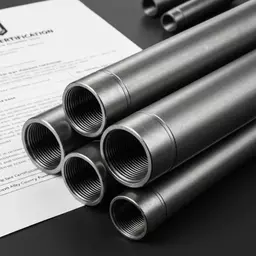
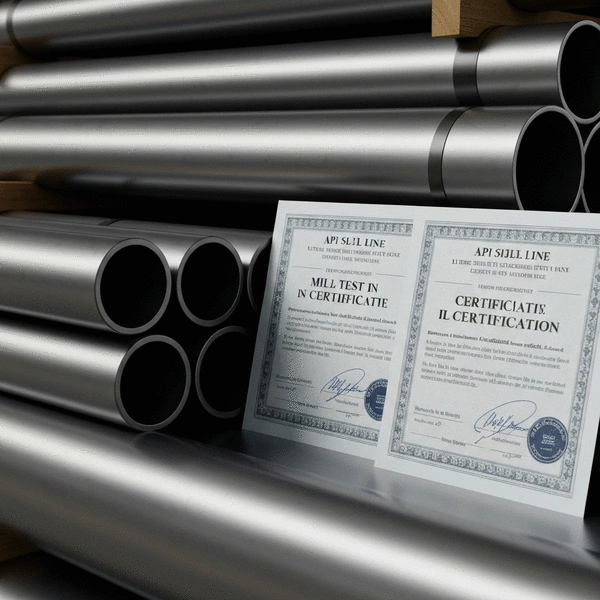
Quality and compliance are essential in the steel pipe industry, and understanding API 5L certification is key to making informed sourcing decisions. As an importer, your ability to navigate this complex landscape will set you apart from the competition.
What You Will Learn
- API 5L certification guarantees that steel pipes meet safety and performance standards, crucial for transporting gas and oil.
- Understanding Mill Test Certificates (MTCs) is essential for verifying product quality and compliance with API 5L specifications.
- Investing in quality assurance processes, including inspections and supplier audits, is vital to protect your investment and reputation.
- Due diligence in verifying MTCs can mitigate risks associated with low-quality materials, ensuring sound purchasing decisions.
- Engaging with industry experts and utilizing online resources can enhance your understanding of compliance and market trends.
Key Considerations for Importers in API 5L Certification
Understanding the nuances of API 5L certification and Mill Test Certificates (MTCs) is vital for importers. The visual below highlights essential processes and verification steps to ensure quality and compliance in pipe sourcing.
API 5L Importance for Importers
- ✓ Quality Assurance & Pressure Resistance
- ✓ Enhanced Market Reputation & Credibility
- ✓ Ensures Regulatory Compliance
MTC Verification Checklist
- ● Verify Manufacturer's Reputation
- ● Documented Tests & Adherence
- ● Compliance with ASTM & ISO
- ● Traceability via Heat Numbers
Key Takeaways for Importers
- ▶ Always Verify MTCs & Standards
- ▶ Understand PSL1 vs PSL2 Differences
- ▶ Engage with Trusted, Transparent Suppliers
- ▶ Utilize API Composite List for Checks
Recommendations for Success
- ★ Engage Experienced Consultants
- ★ Team Training on MTCs & Compliance
- ★ Utilize Tech for Documentation
- ★ Stay Updated on Regulatory Changes
Understanding API 5L Line Pipe Certification and Mill Test Certificates
As a sourcing agent, navigating the complexities of steel pipe certification can be overwhelming. One essential element you need to understand is API 5L certification. This certification is a benchmark for quality and compliance in the steel pipe industry, especially for importers. It sets the standard for pipes that are used in the transportation of gas and oil, ensuring that the products meet stringent requirements for safety and performance.
The importance of API 5L certification cannot be overstated. It not only guarantees that the pipes can withstand high pressures and corrosive environments but also aids in establishing a reliable supply chain. As I often emphasize in my discussions at Steel Pipe Insights, being well-informed about these certifications can pave the way for better sourcing decisions and improved outcomes.
What is API 5L and Why is it Important for Importers?
API 5L refers to the American Petroleum Institute's standard for line pipes, which is widely accepted across the global steel market. For importers, understanding API 5L helps in making informed decisions regarding the procurement of pipes that comply with safety and quality standards.
- Quality Assurance: Ensures that pipes can handle the required pressure and resist corrosion.
- Market Reputation: Compliance with API 5L enhances the credibility of suppliers and manufacturers.
- Regulatory Compliance: Helps in adhering to various international regulations and standards. For example, the U.S. Department of Transportation Pipeline and Hazardous Materials Safety Administration (PHMSA) often references such standards in its interpretations and regulations for pipeline safety.
By focusing on suppliers with API 5L certification, you not only mitigate risks associated with low-quality products but also strengthen your position in the competitive market.
Defining Mill Test Certificates (MTCs) Within the API 5L Framework
Mill Test Certificates (MTCs) play a crucial role in substantiating the claims made by manufacturers regarding the quality of their products. An MTC provides detailed information about the chemical and physical properties of the steel, directly linking it to the API 5L specifications.
- Chemical Composition: Details the elements that constitute the alloy.
- Mechanical Properties: Highlights characteristics such as tensile strength and yield strength.
- Traceability: Shows the heat number, which allows traceability back to the steel mill. This traceability is critical for verifying the origin and quality of the materials, aligning with best practices for pipeline material specifications as outlined by industry groups like IOGP (International Association of Oil & Gas Producers).
Understanding the contents of an MTC is vital for importers. It allows you to verify that the product meets the specifications outlined by the API 5L and ensures that you are making a sound purchasing decision.
The Significance of Quality Assurance in API 5L Certification
Quality assurance is the backbone of API 5L certification. Without robust quality control measures, the integrity of the certification can easily be compromised. For importers, this means that ensuring the quality of the steel pipe is not just a legal requirement but a fundamental aspect of securing your investment.
- Inspection Procedures: Regular inspections help identify any potential issues early in the production process.
- Testing Protocols: Adhering to rigorous testing protocols ensures compliance with API 5L standards.
- Supplier Audits: Conducting audits can verify that suppliers maintain high-quality production standards.
Ultimately, investing in quality assurance not only protects your reputation but also enhances the overall performance and reliability of the pipeline systems you are sourcing for.
Pro Tip
When sourcing API 5L certified pipes, always prioritize suppliers who provide transparent Mill Test Certificates (MTCs). Not only do these documents validate the quality and compliance of the pipes, but they also enhance your credibility as a sourcing agent. Consider establishing a checklist based on the critical elements of an MTC to streamline your verification process and ensure you are making informed decisions.
Frequently Asked Questions (FAQs) about API 5L Certification
- What is API 5L certification?
- API 5L is a standard set by the American Petroleum Institute for line pipes, ensuring they meet stringent requirements for safety and performance, particularly for gas and oil transportation. This certification is crucial for quality assurance, market reputation, and regulatory compliance.
- Why are Mill Test Certificates (MTCs) important in API 5L certification?
- MTCs provide detailed information about the chemical and mechanical properties of steel pipes, directly linking them to API 5L specifications. They are essential for verifying product quality, ensuring traceability, and making informed purchasing decisions.
- What role does quality assurance play in API 5L compliance?
- Quality assurance is fundamental to API 5L certification, involving robust quality control measures such as regular inspections, adherence to testing protocols, and supplier audits. These processes ensure the integrity of the certification and the reliability of the sourced pipes.
- What should importers look for when verifying MTCs?
- Importers should verify the manufacturer's reputation, ensure all relevant tests are performed and documented, review compliance with ASTM and ISO standards, and confirm traceability via heat numbers linked to the production batch.
- How can importers stay updated on API 5L regulations and market trends?
- Importers can stay informed by engaging with industry specialists, participating in webinars and conferences, subscribing to industry newsletters and blogs (like Steel Pipe Insights), and monitoring technological advancements and regulatory changes in the pipeline industry.
Summarizing Key Takeaways for Importers Regarding API 5L Certification
When it comes to API 5L certification, the importance of due diligence cannot be overstated. As importers, understanding the certification process is essential to ensure that the materials you source meet industry standards. This diligence not only protects your investment but also helps in maintaining the integrity of your projects. The American Petroleum Institute (API) provides comprehensive documentation on standard 5L, which is a critical resource for this due diligence. Here are some key takeaways to keep in mind:
- Always verify Mill Test Certificates (MTCs) against recognized standards.
- Familiarize yourself with the differences between PSL1 and PSL2 to ensure compliance.
- Engage with trusted suppliers who maintain transparency in their processes.
- Utilize resources like the API Composite List for authenticity checks.
By applying these insights, you can reduce risks associated with sourcing non-compliant materials. Taking proactive steps in your sourcing strategy can lead to more reliable outcomes and stronger partnerships.
The Importance of Due Diligence in MTC Verification
Due diligence in MTC verification is crucial for importers navigating the complexities of API 5L certification. This process involves assessing not just the documentation but also the practices behind it. Here’s a simple checklist to guide your verification:
- Check the manufacturer's reputation and history.
- Ensure that all relevant tests are performed and documented.
- Review compliance with ASTM standards and ISO regulations.
- Confirm traceability with heat numbers linked to the production batch.
Focusing on these elements will enhance your quality assurance efforts and can prevent costly mistakes down the line. Remember, verification is not just a task—it's a critical component of your sourcing strategy!
Final Recommendations for Navigating API 5L Certification Successfully
Navigating API 5L certification can be daunting, but with the right strategies, it can be manageable. Here are some final recommendations that I’ve learned through my experience in the steel manufacturing industry:
- Engage with experienced consultants who can provide tailored advice.
- Invest in training for your team to understand MTCs and compliance requirements.
- Utilize technology for documentation management and verification.
- Stay updated on regulatory changes and market trends in the steel industry.
By implementing these recommendations, you’ll position yourself for success in the ever-evolving landscape of API 5L certification. Your commitment to compliance will not only enhance your operational credibility but also establish you as a responsible importer in the marketplace.
Next Steps: Engaging with Experts and Resources
Connecting with Industry Specialists for Enhanced Compliance Understanding
Connecting with industry specialists can dramatically enhance your understanding of API 5L certification. These experts can provide insights that streamline the certification process and improve your overall sourcing strategy. If you’re unsure where to start, consider joining industry associations or attending conferences where you can network with professionals.
- Participate in webinars hosted by certification bodies.
- Seek mentorship from seasoned importers in your network.
- Engage on platforms like LinkedIn to connect with industry leaders.
Building these relationships can provide you with valuable resources and knowledge that can make a significant difference in your compliance efforts!
Utilizing Online Platforms for Ongoing Learning and Updates
In today’s fast-paced industry, staying informed is vital. Utilizing online platforms can provide continuous learning opportunities regarding API 5L certification and compliance. Here are some effective strategies to adopt:
- Subscribe to industry newsletters for the latest news and updates.
- Follow relevant blogs, including Steel Pipe Insights, for valuable insights.
- Engage in online forums to discuss challenges and solutions with peers.
These resources will keep you updated on best practices and emerging trends, ensuring you never miss a beat in the certification landscape.
Exploring Market Trends in the Pipeline Industry for Future Compliance
Finally, it’s essential to stay ahead of market trends in the pipeline industry to anticipate changes in compliance requirements. Regularly exploring these trends can enhance your decision-making abilities. Key areas to monitor include:
- Technological advancements in manufacturing processes.
- Changes in regulatory standards and compliance requirements.
- Shifts in global demand and supply dynamics.
By keeping an eye on these factors, you can adapt your sourcing strategies accordingly and remain competitive. Remember, proactive engagement with market trends is crucial for long-term success! Let’s stay informed and elevate our sourcing standards together.
Recap of Key Points
Here is a quick recap of the important points discussed in the article:
- API 5L Certification: Essential for ensuring quality and compliance in steel pipes used for gas and oil transport.
- Mill Test Certificates (MTCs): Crucial for verifying the quality and specifications of steel pipes.
- Quality Assurance: Integral to API 5L certification, involving regular inspections and testing protocols.
- Due Diligence: Essential for verifying MTCs and understanding compliance with relevant standards.
- Continuous Learning: Utilize online resources and connect with industry experts for ongoing education about API 5L certification.